Product family

Modular Planetary Gearboxes

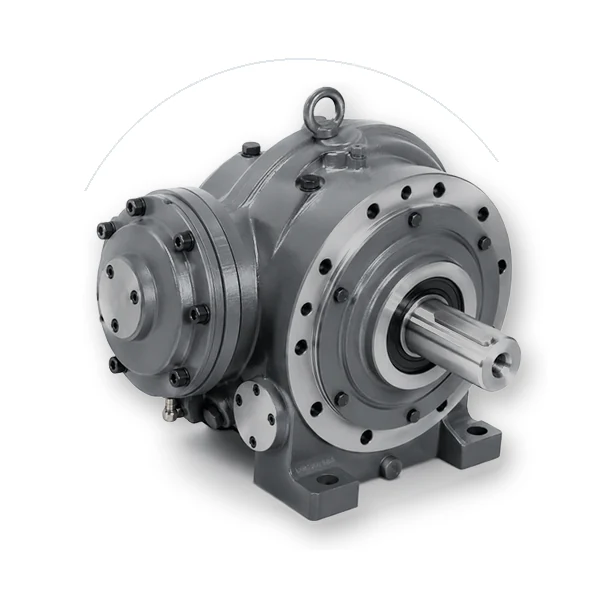
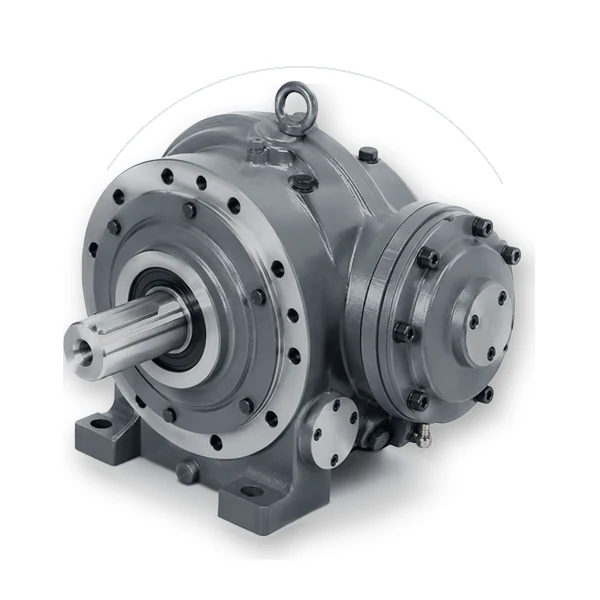
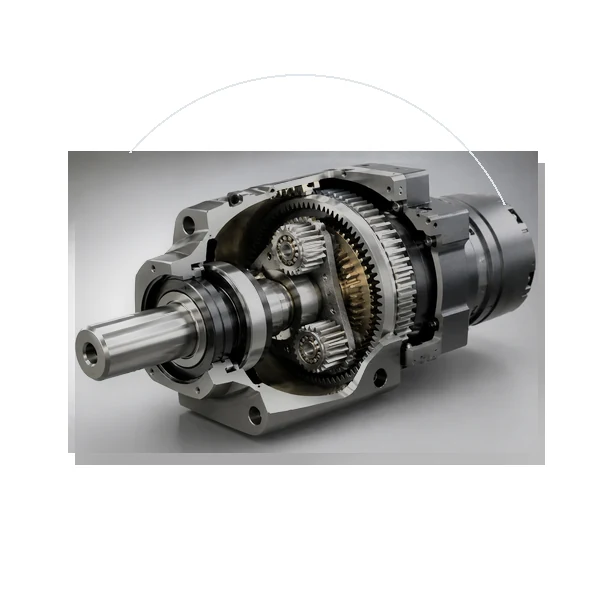
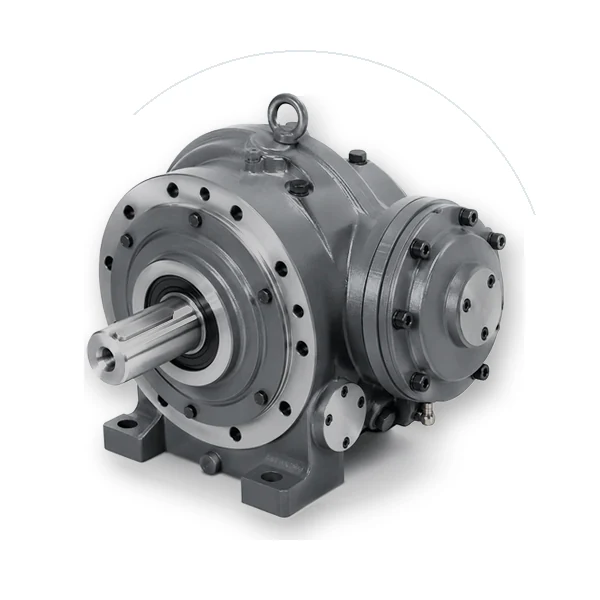
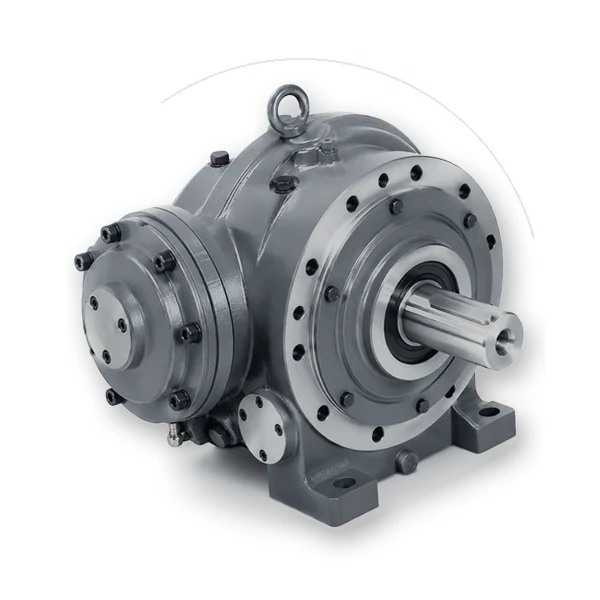
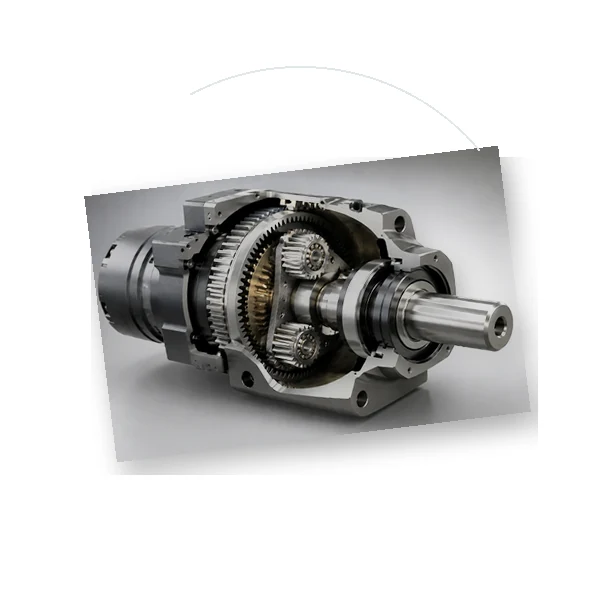
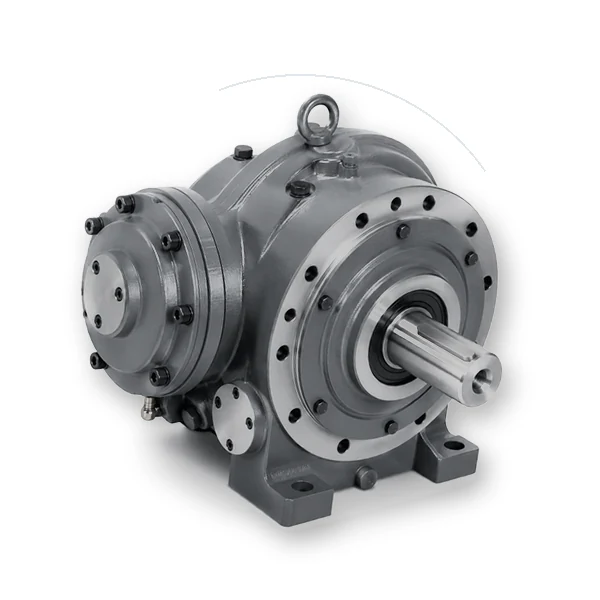
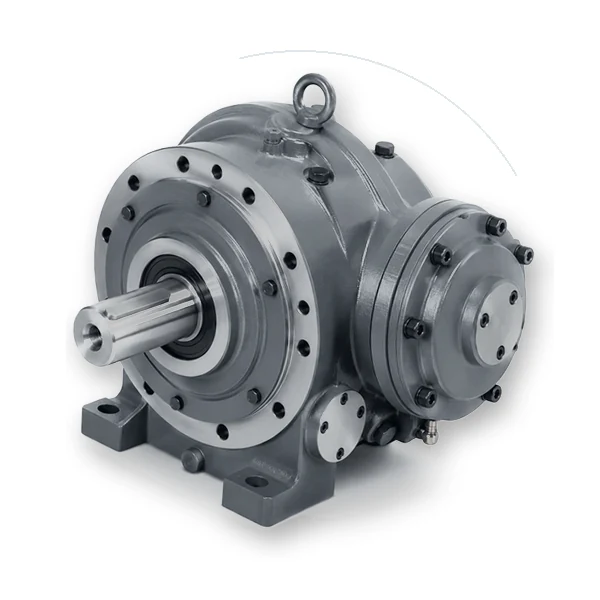
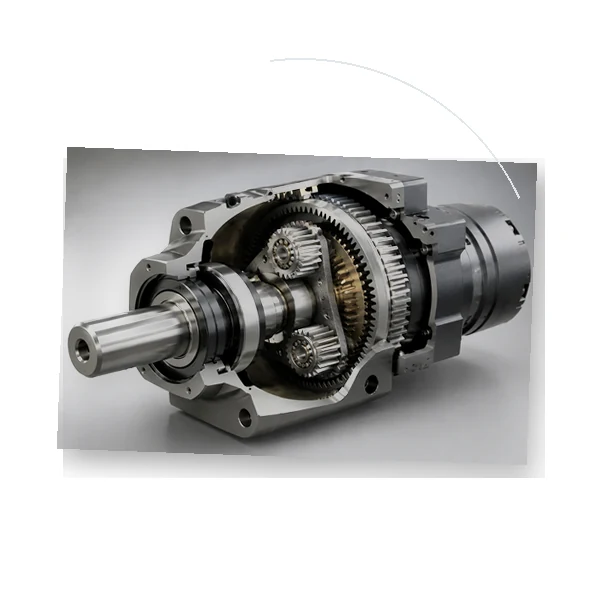
EP300 modular planetary gearboxes for industrial epicyclic gearing applications, with multiple stages, ratios, mounting arrangements and motor interfaces.

Category overview

Define the complete engineering context

The EP300 family is organized by reference torque class and modular stage arrangement. Selection still requires service factor, thermal, shaft-load, input-speed, mounting and lubrication checks.

  • Controlled tooth and mating-part data
  • Installation datums and interface envelope
  • Duty cycle, environment and acceptance method
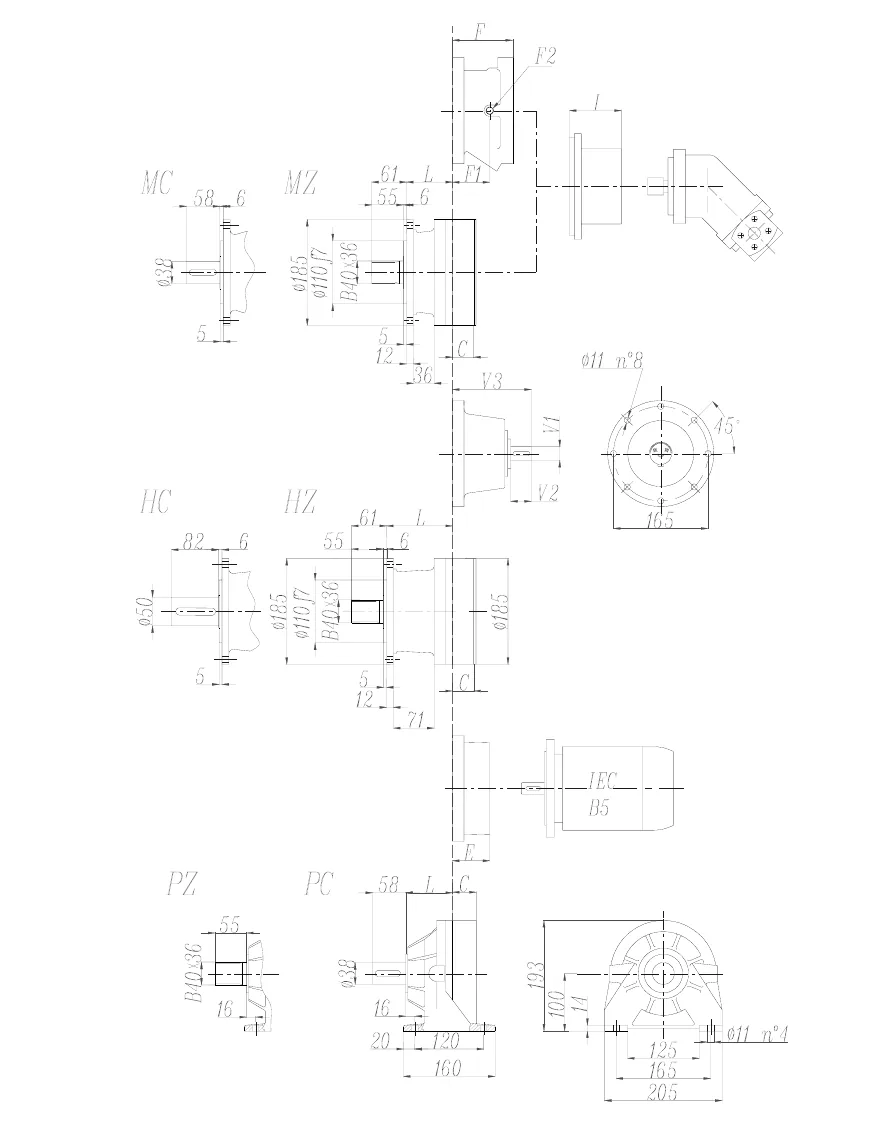
EP300 series dimension and parameter reference view
EP300 technical dimension view from the product range.

RFQ product range

Modular Planetary Gearboxes products

Select a product family to review its drawing inputs, mating relationships, duty questions and inspection planning.

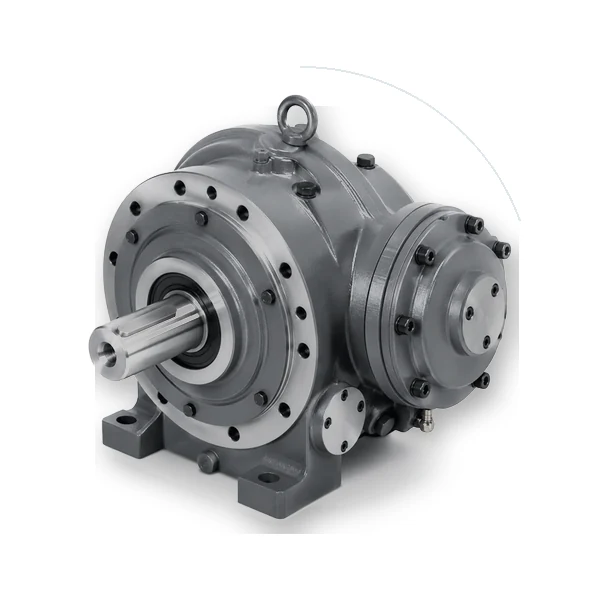
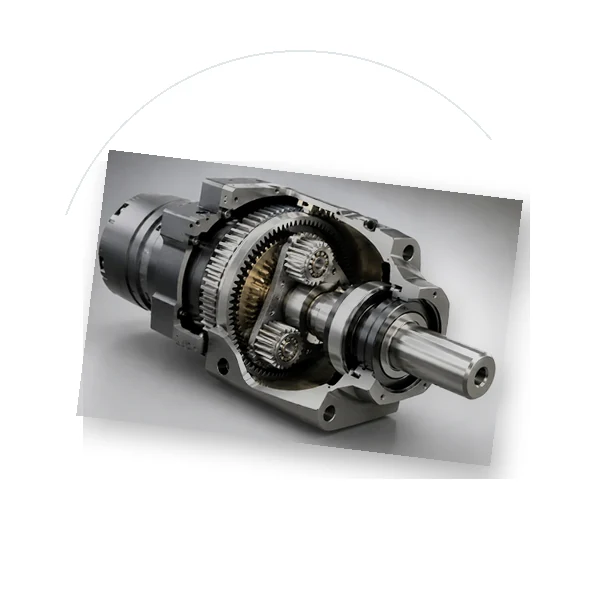
EP300 planetary drive product view

EP300 Modular Planetary Gearbox

EP300 modular planetary gearbox covers a listed 1,000 N·m reference-torque class in a 1–4 stage family. It is a practical starting point for compact coaxial drives where ratio, mounting, shaft loads and thermal duty must be checked together.

Review RFQ inputs

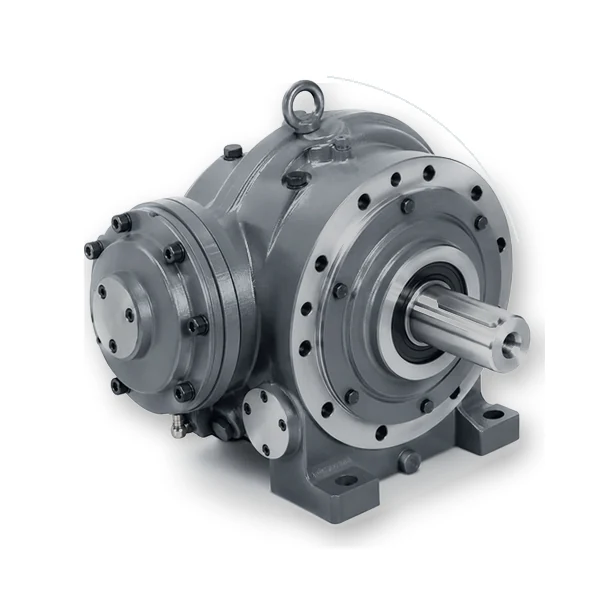
EP301 planetary drive product view

EP301 Modular Planetary Gearbox

EP301 modular planetary gearbox covers a listed 2,000 N·m reference-torque class in a 1–4 stage family. It is a practical starting point for compact coaxial drives where ratio, mounting, shaft loads and thermal duty must be checked together.

Review RFQ inputs

EP303 planetary drive product view

EP303 Modular Planetary Gearbox

EP303 modular planetary gearbox covers a listed 3,000 N·m reference-torque class in a 1–4 stage family. It is a practical starting point for compact coaxial drives where ratio, mounting, shaft loads and thermal duty must be checked together.

Review RFQ inputs

EP305 planetary drive product view

EP305 Modular Planetary Gearbox

EP305 modular planetary gearbox covers a listed 5,000 N·m reference-torque class in a 1–4 stage family. It is a practical starting point for compact coaxial drives where ratio, mounting, shaft loads and thermal duty must be checked together.

Review RFQ inputs

EP306 planetary drive product view

EP306 Modular Planetary Gearbox

EP306 modular planetary gearbox covers a listed 8,500 N·m reference-torque class in a 1–4 stage family. It is a practical starting point for compact coaxial drives where ratio, mounting, shaft loads and thermal duty must be checked together.

Review RFQ inputs

EP307 planetary drive product view

EP307 Modular Planetary Gearbox

EP307 modular planetary gearbox covers a listed 12,500 N·m reference-torque class in a 1–4 stage family. It is a practical starting point for compact coaxial drives where ratio, mounting, shaft loads and thermal duty must be checked together.

Review RFQ inputs

EP309 planetary drive product view

EP309 Modular Planetary Gearbox

EP309 modular planetary gearbox covers a listed 18,500 N·m reference-torque class in a 1–4 stage family. It is a practical starting point for compact coaxial drives where ratio, mounting, shaft loads and thermal duty must be checked together.

Review RFQ inputs

EP310 planetary drive product view

EP310 Modular Planetary Gearbox

EP310 modular planetary gearbox covers a listed 25,000 N·m reference-torque class in a 1–4 stage family. It is a practical starting point for compact coaxial drives where ratio, mounting, shaft loads and thermal duty must be checked together.

Review RFQ inputs

EP311 planetary drive product view

EP311 Modular Planetary Gearbox

EP311 modular planetary gearbox covers a listed 35,000 N·m reference-torque class in a 1–4 stage family. It is a practical starting point for compact coaxial drives where ratio, mounting, shaft loads and thermal duty must be checked together.

Review RFQ inputs

EP313 planetary drive product view

EP313 Modular Planetary Gearbox

EP313 modular planetary gearbox covers a listed 50,000 N·m reference-torque class in a 1–4 stage family. It is a practical starting point for compact coaxial drives where ratio, mounting, shaft loads and thermal duty must be checked together.

Review RFQ inputs

EP315 planetary drive product view

EP315 Modular Planetary Gearbox

EP315 modular planetary gearbox covers a listed 80,000 N·m reference-torque class in a 1–4 stage family. It is a practical starting point for compact coaxial drives where ratio, mounting, shaft loads and thermal duty must be checked together.

Review RFQ inputs

EP316 planetary drive product view

EP316 Modular Planetary Gearbox

EP316 modular planetary gearbox covers a listed 105,000 N·m reference-torque class in a 1–4 stage family. It is a practical starting point for compact coaxial drives where ratio, mounting, shaft loads and thermal duty must be checked together.

Review RFQ inputs

Application context

Where this product family is used

Industrial process machinery

Mixers, conveyors, mills and production equipment that need compact coaxial reduction.

Gearmotor packages

Electric-motor input arrangements across the power bands shown in the product catalogue.

Custom power transmission

New and replacement applications requiring model, ratio, mounting and shaft-interface confirmation.

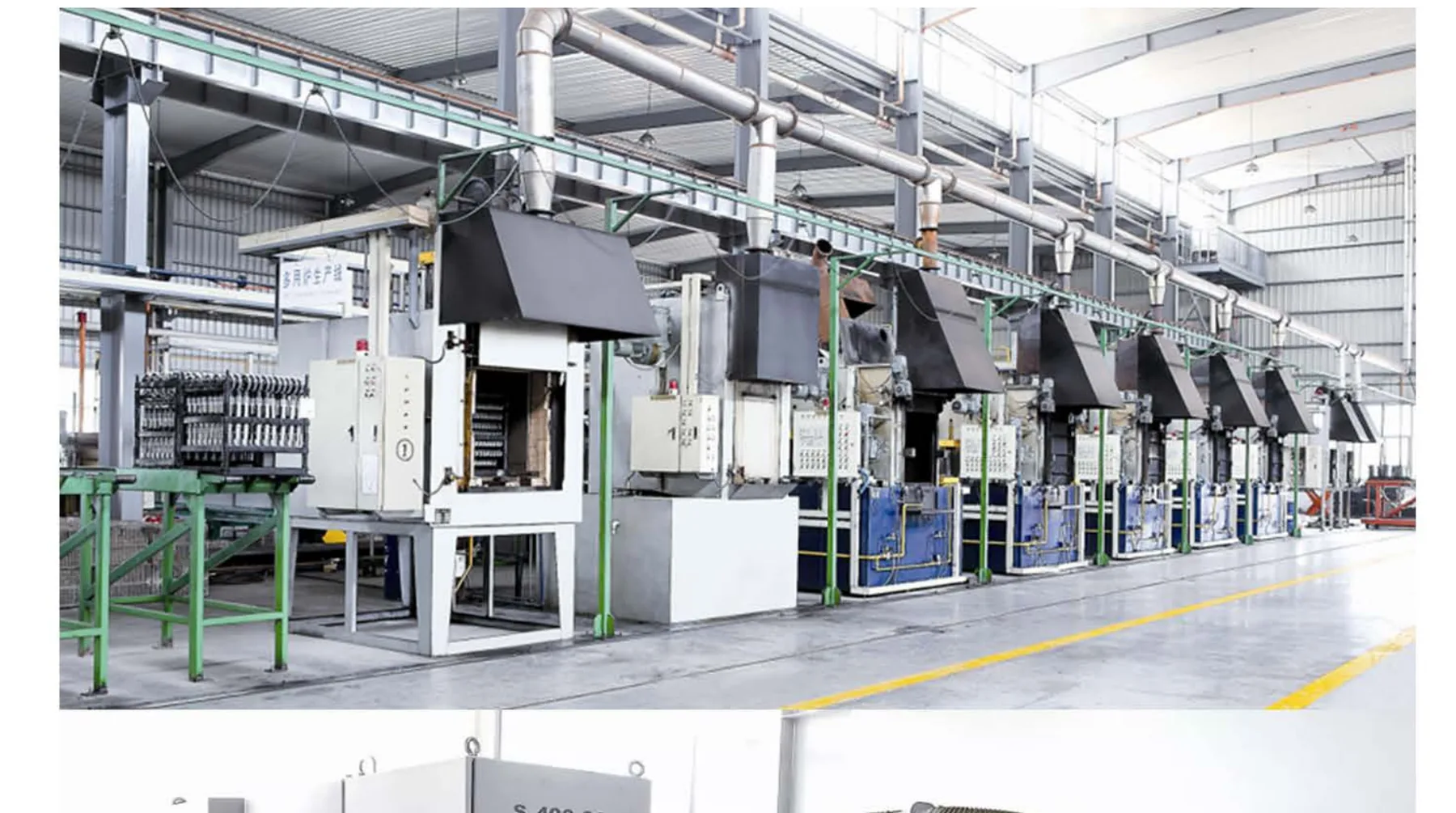
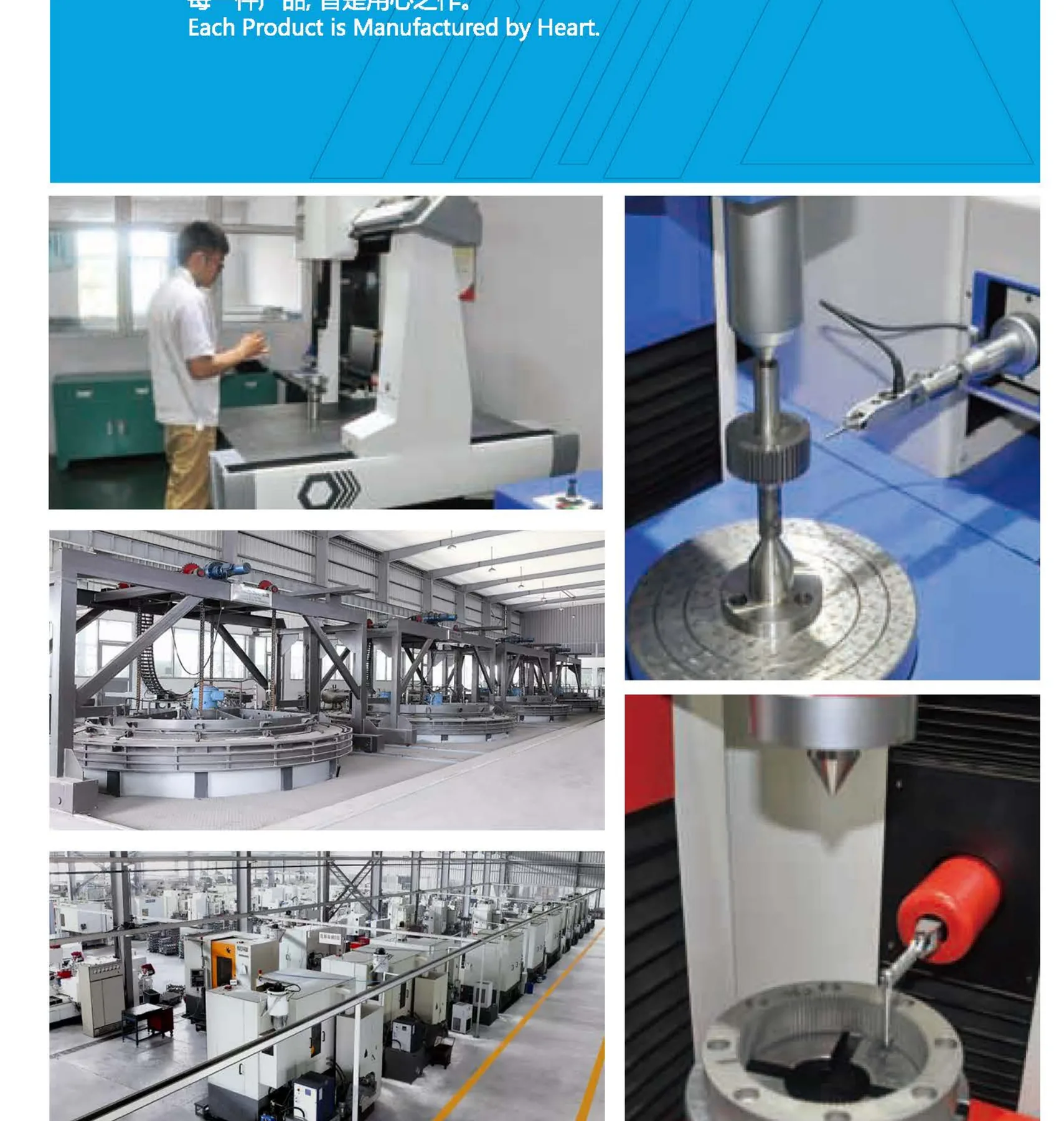
Manufacturing line shown in the product range
Modular Planetary Gearboxes engineering review

Engineering basis

Interfaces deserve the same discipline as the internal gearing. Define the input driver, adapter, shaft or spline, output shaft or flange, pilot diameters, fastener pattern, load application point, and the space available for installation and service. When the drive supports external radial or axial load, show the force direction and distance from the bearing reference. When the drive couples to a wheel, track sprocket, slew ring, rack pinion, pulley, or drum, include the mating geometry. Those details often decide whether a model that looks adequate for modular planetary gearboxes is actually suitable in the machine. Thermal and lubrication questions should be resolved before release rather than after a prototype runs hot. State ambient temperature, operating hours, input speed, duty cycle, mounting orientation, expected ventilation, and whether the gearbox is inside an enclosure. Confirm lubricant type, viscosity or manufacturer-approved grade, fill quantity, fill and drain access, and any oil-circulation or cooling requirement. The purpose is not to add paperwork; it is to ensure that the selected arrangement can maintain a stable oil film and acceptable temperature while delivering a defensible family-level shortlist. Acceptance criteria should be tied to function. For a precision axis, backlash, torsional stiffness, runout, pitch or tooth accuracy may matter. For mobile equipment, brake release, holding behavior, sealing, valve integration, and output-bearing loads may dominate. For process machinery, temperature, leakage, vibration, shaft loading, and service access may be more important. Define which characteristics are controlled on the drawing, which need inspection records, and which are verified by a functional test. This evidence-based approach reduces ambiguity around modular planetary gearboxes and gives both buyer and supplier the same release target.
Inspection and test equipment shown in the product range
Modular Planetary Gearboxes engineering review

Duty and interfaces

When information is incomplete, mark the gap instead of replacing it with an invented value. A useful RFQ can still proceed with an application sketch, motor data, target motion, estimated duty, and the known interfaces, provided the missing confirmation is visible. The supplier can then return a data-request list or a provisional configuration. For Modular Planetary Gearboxes, the key is traceability: the final model, ratio, mounting, options, and acceptance method should all map back to the operating conditions that justified them. A final cross-check should ask what happens if one assumption changes. Consider a higher start frequency, a larger wheel or pinion radius, a warmer ambient condition, a different mounting orientation, or a new external load. If any of those changes can invalidate the selection, record the dependency in the quotation notes. That practice is particularly valuable for modular planetary gearboxes, because it prevents a technically correct selection from being copied into a second machine with a materially different duty. The released configuration should therefore be treated as application-specific, even when it belongs to a standard product family. Modular Planetary Gearboxes should be treated as an engineering decision about modular planetary gearboxes, not as a lookup exercise. The first objective is an application-specific model choice. Begin with the machine function and document the operating point in units that can be checked independently: torque at the driven member, rotational or linear speed, the timing of acceleration and deceleration, and the duration of normal and peak conditions. For modular planetary gearboxes, that sequence matters because the same nominal power can produce very different gearbox loads when ratio, inertia, start frequency, or external forces change. The working record should explicitly cover torque class, ratio and stages, thermal duty, shaft loading, mounting and lubrication.

Manufacturing line shown in the product range
Modular Planetary Gearboxes engineering review

Verification and release

A strong review separates source-backed product data from application assumptions. Published model values can define a feasible envelope, but the machine-side calculation remains the buyer or system designer input until it is confirmed. In the context of modular planetary gearboxes, record which values came from a controlled drawing or product source, which were calculated from machine geometry, and which remain provisional. This prevents unclear acceptance after order. It also makes later changes easier to manage because an engineer can see whether a revised motor, wheel radius, duty cycle, or mounting arrangement changes the gearbox requirement or only the surrounding interface. The selection should be checked at more than one operating condition. A normal production point establishes continuous demand; an acceleration or start point establishes short-duration torque; a jam, emergency, wind, slope, or braking event may establish a separate peak. Each condition should carry a duration and expected frequency. That distinction is especially important when reviewing modular planetary gearboxes, because mechanical capacity, bearing life, brake capacity, and thermal capacity do not respond to load in the same way. A concise duty table is more useful than a single oversized safety factor, and it gives the supplier a reproducible basis for confirming traceable acceptance evidence. Interfaces deserve the same discipline as the internal gearing. Define the input driver, adapter, shaft or spline, output shaft or flange, pilot diameters, fastener pattern, load application point, and the space available for installation and service. When the drive supports external radial or axial load, show the force direction and distance from the bearing reference. When the drive couples to a wheel, track sprocket, slew ring, rack pinion, pulley, or drum, include the mating geometry. Those details often decide whether a model that looks adequate for modular planetary gearboxes is actually suitable in the machine.

Selection variables to include in the RFQ

Data group Information to provide
Torque class Start from required output torque after service-factor correction, not the reference torque alone.
Ratio and stages Select L/R stage arrangements and ratio against input and output speed.
Thermal duty Check continuous operating power against ambient temperature and input speed.
Shaft loading Confirm radial and axial loads, load application distance and bearing life.
Mounting and lubrication State mounting position, plug positions, oil type and oil quantity requirements.

Category FAQ

Is reference torque the same as allowable continuous torque?

No. The catalogue distinguishes reference, rated, calculated and maximum torque. Final selection must use the stated duty and service factor.

Can the ratio be selected before the motor is known?

A target ratio can be shortlisted, but input speed, power, motor adapter and thermal duty are needed for release.

Engineering enquiry

Send the category-specific RFQ inputs

Attach the drawing or assembly sketch and identify the controlled geometry, interfaces, operating duty and required inspection records.

Email the engineering brief

quote form