Engineering guide
How to Specify an Epicyclic Gear Set for Quotation
A useful quotation begins with the machine relationship and controlled data—not a ratio copied from an unrelated catalogue.
1. Name the members and their roles
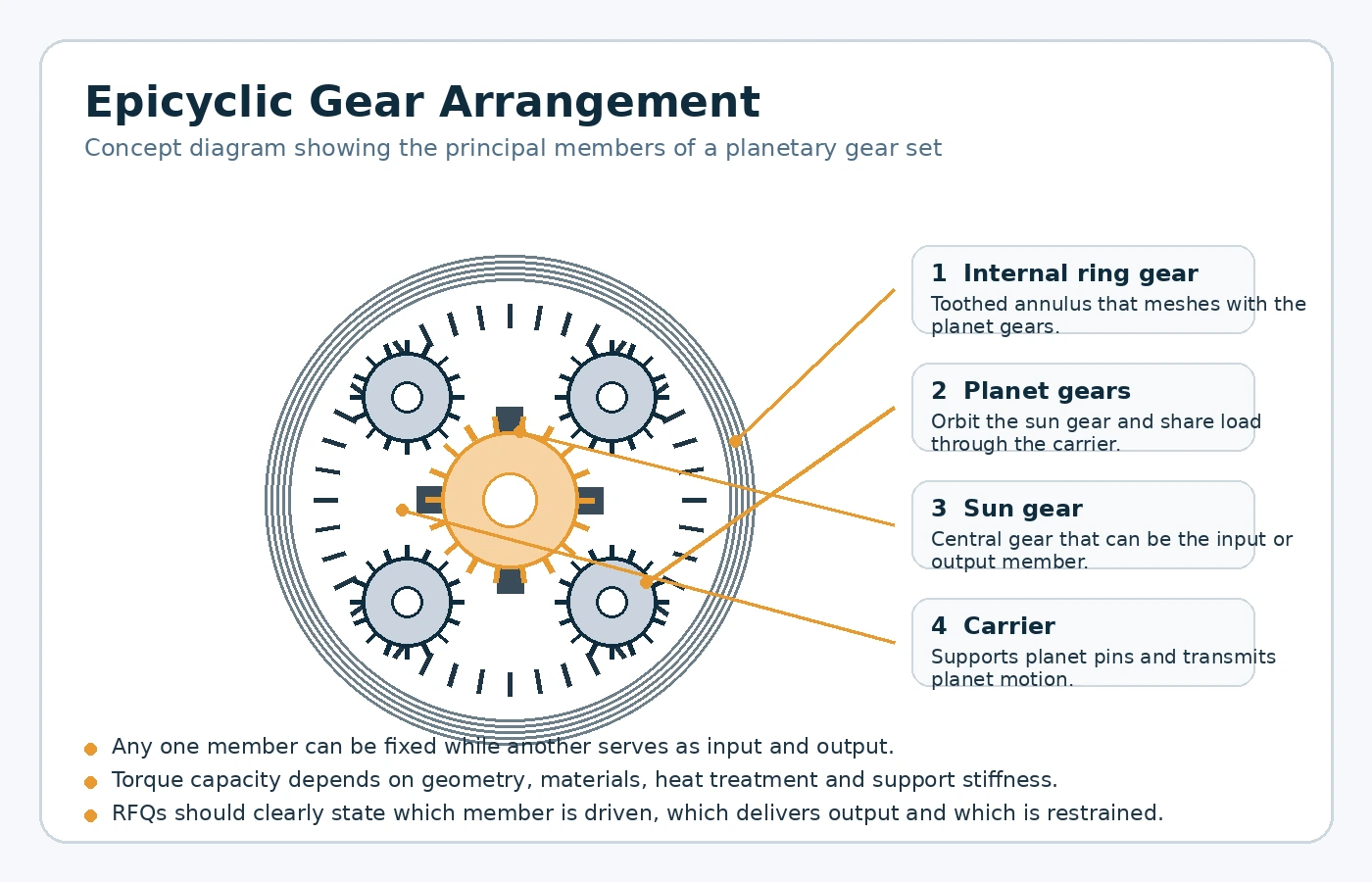
Identify the sun, planets, carrier and internal ring. State which member receives input, which delivers output and which is fixed or controlled. Add rotation direction and every operating mode. This provides the context needed to interpret the target ratio.
If the design uses compound planets, multiple stages or two actively controlled members, show the power path on a sketch. Do not rely on the word planetary alone.
- Input member
- Output member
- Restrained or controlled member
2. Separate normal duty from exceptional events
Provide the normal load and speed range, starts per cycle, reversals, dwell, expected operating duration and thermal context. Then identify peak events, jams, emergency stops, impacts or backdriving separately. The distinction helps prevent an exceptional value from being treated as continuous duty—or a routine event from being dismissed as rare.
- Normal cycle
- Repeatable peak events
- Exceptional shock or jam events
3. Control the interface envelope
| Interface | Questions to answer |
|---|---|
| Input | Shaft, spline, bore, coupling, motor flange, pilot and axial location. |
| Output | Shaft or flange geometry, external radial and axial loads, mounting and retention. |
| Housing | Available diameter and length, fasteners, pilots, orientation and service access. |
| Carrier | Planet pin support, bearings or bushings, spacing, axial retention and output relationship. |
4. Supply a complete tooth definition
Where geometry already exists, provide the controlled tooth data for every mating member. State the measurement basis for tooth thickness or backlash and the datum relationship to bores, splines and mounting features. Where geometry is open, provide ratio, envelope and duty as proposal inputs and expect confirmation drawings before manufacture.
- Complete mating tooth data
- Backlash measurement basis
- Datum relationship to bores and splines
5. Define verification before production
List the characteristics that require recorded inspection and the report format. Gear geometry, runout, bore or spline relationship, carrier position and assembly function may need different equipment and datums. Early agreement prevents a technically sound part from reaching final inspection without an acceptable evidence format.
- Critical characteristics
- Measurement method and datum
- Required release report
Quotation package checklist
- Assembly and part drawings with revision status
- Motion relationship for each operating mode
- Normal, peak, shock and reversing duty
- Speed ranges and environmental conditions
- All shaft, spline, pilot, flange and fastener interfaces
- Material and heat-treatment requirements when controlled
- Prototype and production quantities
- Inspection and release-document expectations
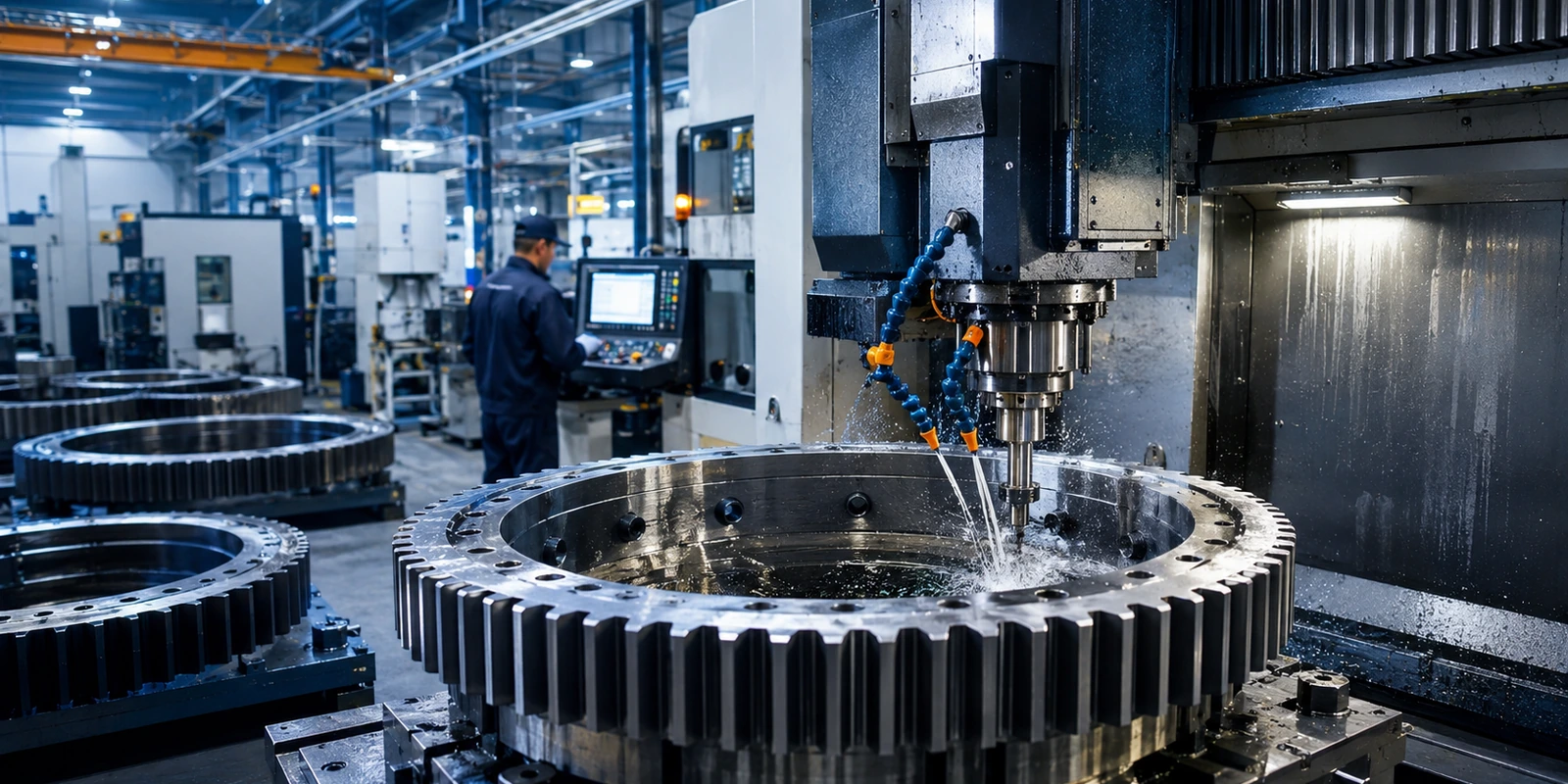
Connect the drawing to the manufacturing route
Blank design, cutting access, heat-treatment allowance and hard-finishing strategy can affect shoulders, face width, datum choices and inspection access. Include these constraints in the technical review instead of treating them as downstream production details.
When geometry is still open, mark the features that may be adjusted and identify the dimensions already controlled by the surrounding machine. This helps prevent a manufacturability proposal from changing an interface that the buyer considers fixed.
- Mark fixed interfaces
- Identify adjustable manufacturing features
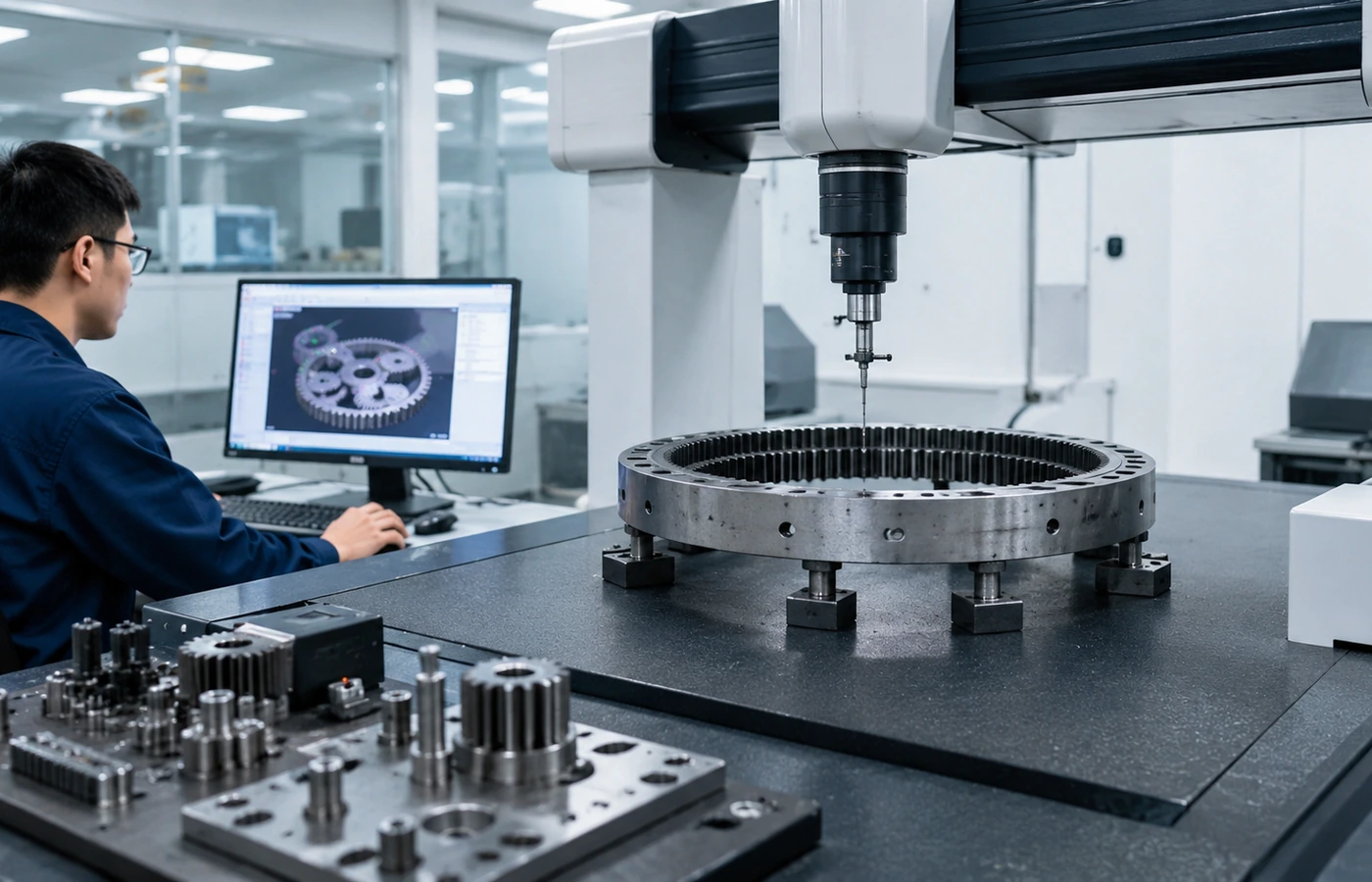
Make the acceptance method part of the quotation
Identify which tooth charts, runout checks, material records and assembled contact or backlash results are required. This allows the supplier to quote the correct measurement route and documentation scope.
Also state whether records are required for every part, a first-article sample or a production sampling plan. The report scope affects measurement time, release workflow and the information that must be retained with each order.
- Define report scope
- Confirm sampling and release records
Engineering enquiry
Use the guide to prepare your RFQ
Send the relevant drawing, duty and interface data. The technical review will identify confirmation points before any product claim or geometry is approved.
- Drawing or assembly sketch
- Duty and interface summary
- Quantity and inspection needs